

The Advantages and Disadvantages of Stamped Concrete
Conclusion
Stamped concrete offers a wide range of design options and is a cost-effective way to add decorative elements to your landscape. However, it is important to consider both the advantages and disadvantages before deciding if stamped concrete is the right choice for your project. While it may not be as durable as other materials, proper maintenance and care can help prolong its lifespan. Ultimately, the decision to use stamped concrete should be based on the specific needs and requirements of your project.
Contact us today for a free consultation and quote on your stamped concrete project.
Introduction
Stamped concrete has become a popular choice for patios, driveways, and walkways due to its versatility and ability to add decorative elements to landscapes. However, before making a decision, it is important to consider both the advantages and disadvantages of using stamped concrete.
Advantages of Stamped Concrete
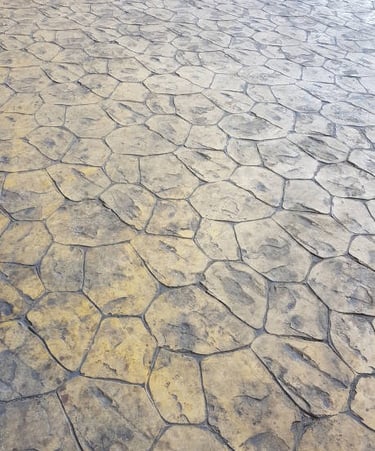
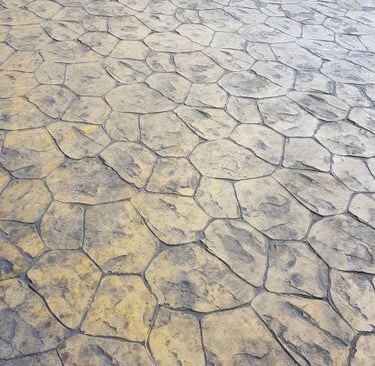
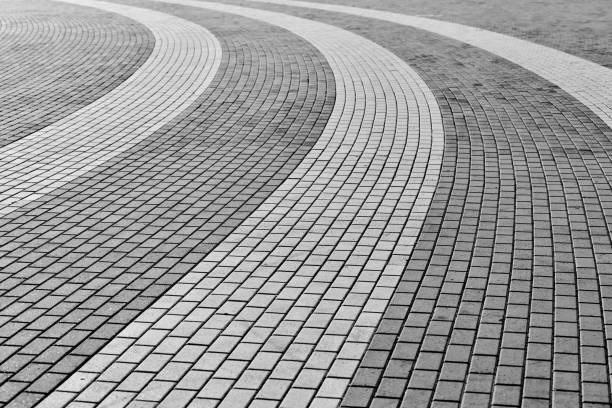
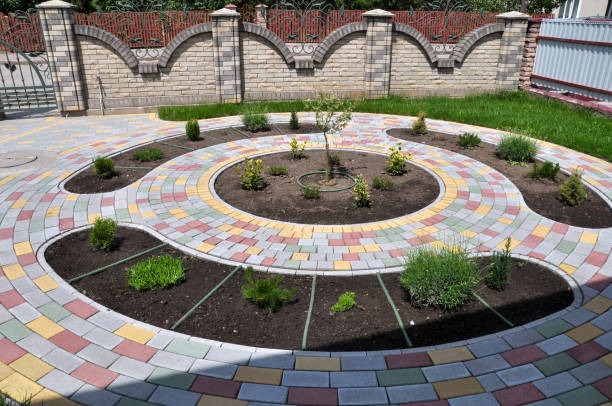
One of the main advantages of stamped concrete is the wide range of design options it offers. With stamped concrete, you can choose from a variety of colors, patterns, and textures to create a unique and personalized look for your project. Whether you prefer the look of brick, stone, or wood, stamped concrete can mimic the appearance of these materials at a fraction of the cost.
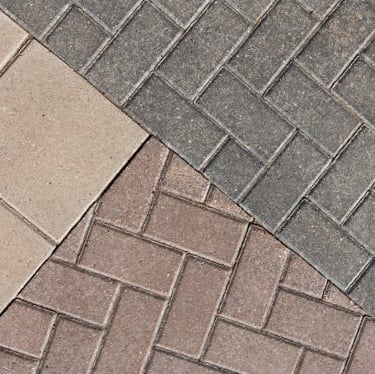
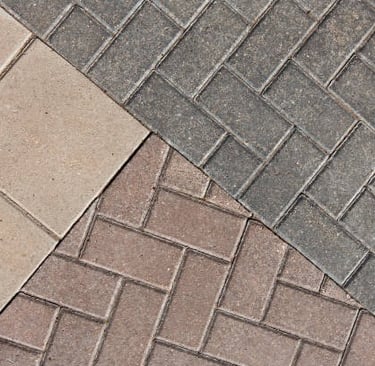
In addition to its design versatility, stamped concrete also offers a simplified installation process compared to alternatives like pavers. Unlike pavers, which require individual placement and leveling, stamped concrete is poured in a single slab and then imprinted with the desired pattern. This not only saves time during installation but also reduces the chances of uneven surfaces and shifting over time.
Another advantage of using stamped concrete is its affordability. While materials like brick and natural stone can be expensive, stamped concrete provides a budget-friendly option for adding decorative elements to your landscape. By choosing stamped concrete, you can achieve the same aesthetic appeal without breaking the bank.
Furthermore, using stamped concrete can potentially increase the value of your property. The added curb appeal and visual appeal of stamped concrete can make your home more attractive to potential buyers, ultimately leading to a higher resale value.
Related: Is stamped concrete good for me?
Disadvantages of Stamped Concrete
Despite its many advantages, stamped concrete does have some drawbacks that should be taken into consideration. One of the main disadvantages is its lack of durability compared to other finished surfaces. While stamped concrete is designed to be strong and long-lasting, it is not as durable as materials like brick or natural stone. Over time, stamped concrete may be prone to cracking and scratching, particularly under heavy use or in areas with extreme weather conditions.
It is important to note that proper maintenance and care can help mitigate some of these issues. Regular cleaning, sealing, and resealing can help protect the surface of the stamped concrete and prolong its lifespan. Additionally, avoiding the use of harsh chemicals or abrasive materials can prevent scratching and damage to the surface.
Another potential disadvantage of stamped concrete is the limited repair options. Unlike individual pavers or tiles, which can be easily replaced if damaged, repairing stamped concrete can be more challenging. In some cases, the entire slab may need to be replaced, which can be costly and time-consuming.
Lastly, it is worth mentioning that stamped concrete may not be suitable for all projects. In areas with unstable soil or frequent freeze-thaw cycles, the concrete may be more prone to cracking and shifting. In such cases, alternative materials like pavers or natural stone may be a better choice.


Navigation
Let's build your vision together at Custom Concrete Texas
Working Hours
Mon - Sat
Sun
9am - 9pm
Closed